

Key Takeaways
- Self-guided bike tours can be safe when routes are well-designed to minimize risks and match your experience.
- A quality tour includes thorough planning, reliable navigation, and local support for unexpected situations.
- Choose bikes and routes suited to your riding level for a safer, more enjoyable experience.
- Practice smart habits on Mediterranean roads, such as staying visible and respecting local traffic conditions.
- Consider your preferences: guided tours may suit beginners or those wanting social interaction, while self-guided tours offer more independence.
Estimated reading time: 7 minutes
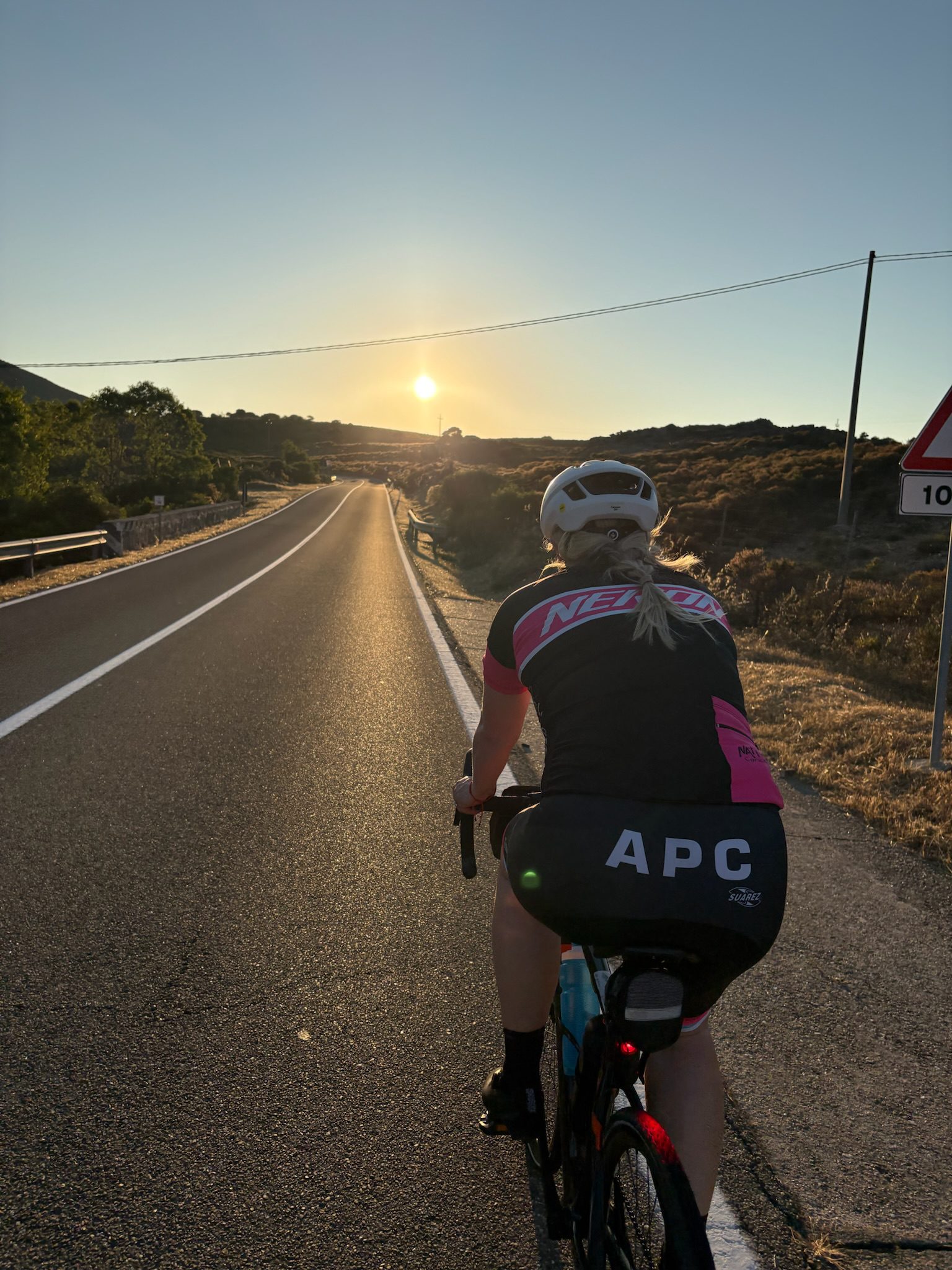
A quiet road climbs through olive groves above the Sardinian coast. Your next stop is a small village where lunch means pecorino, fresh bread, and a table in the shade. This is the freedom people imagine when they ask, are self guided bike tours safe? The short answer is yes, when the trip has been properly designed and you choose a route that matches your experience.
A self-guided cycling holiday is not an unsupported adventure where you are left to figure out every road, hotel, and mechanical problem alone. On a well-organized tour, the independence is real, but the planning has already happened: routes are checked, accommodations are selected, navigation is prepared, and local help is available when needed. Safety comes from this quiet preparation, plus your own good judgment on the bike.
Are Self Guided Bike Tours Safe? It Depends on the Design
No type of travel is risk-free, and cycling asks you to pay attention. Road surfaces can change, weather can turn hot, and a beautiful hill town may involve a steep final climb. But the biggest difference between a safe and stressful bike trip is rarely the destination itself. It is route design.
A locally planned itinerary avoids using busy roads simply because they are direct. It looks for secondary lanes, bike paths, coastal roads with good visibility, and sensible ways through towns. It also considers the daily rhythm: where to refill water, where the next café is, whether a descent is suitable for recreational riders, and what happens if you need a shorter day.
This matters especially in Mediterranean regions, where the terrain is part of the pleasure. Tuscany has rolling roads and occasional steep ramps. Mallorca offers excellent cycling infrastructure, but mountain routes need confident descending skills. Puglia is often gentler and ideal for relaxed riding, while Sardinia, Sicily, Corsica, and Croatia can be more varied, with remote stretches and serious elevation. The right trip is not always the flattest one. It is the one whose daily distances, climbs, road conditions, and support level are honest for you.
What Makes a Self-Guided Tour Feel Secure
A quality self-guided tour gives you structure without taking away the joy of traveling at your own pace. You can stop for a swim, spend longer over lunch, or photograph every vineyard and stone village. At the same time, you know where you will sleep and how to reach it.
Routes Are Scouted, Not Just Drawn on a Screen
Digital maps are useful, but they cannot fully tell you how a road feels on a bicycle. A route may look quiet online yet have fast traffic at certain hours. Another may be technically a minor road but have broken pavement, poor shade, or a confusing junction.
Local cycling professionals ride and review these roads. They know when a seasonal closure affects a route, which detour is truly pleasant, and where a navigation file needs an extra note. At Mediterras, routes are built by local guides who know the roads as riders, not only as lines on a map. That experience is one of the strongest safety features a traveler can have.
Navigation Is Clear and Backed Up
Most travelers use a phone or bike computer with detailed navigation. Before setting out, make sure your device is charged, download maps for offline use, and bring a small power bank. Paper route notes can also be useful as a backup, particularly in rural areas where the signal may be weak.
Good navigation should do more than point you toward the next hotel. It should make key turns clear and help you understand the character of the day ahead: a long climb after breakfast, a remote section before lunch, or a short but busy approach into a city.
Support Exists When Plans Change
Self-guided does not mean you must solve every issue by yourself. Reliable tour operators provide an emergency contact and clear instructions for common situations, such as a puncture, illness, bad weather, or a delayed arrival. Luggage transfers also remove a major burden. Riding without heavy bags makes climbing, handling, and stopping much easier.
Support is particularly reassuring for solo travelers, first-time European cyclists, and families. It also gives experienced riders a better holiday. You can focus on the ride, the landscape, and the evening meal instead of managing reservations and logistics all day.
Choose the Bike and Route for Your Real Riding Level
The most common safety mistake is not a wrong turn. It is choosing an itinerary based on ambition rather than comfort.
Ask yourself how often you currently ride, not how fit you were a few years ago. Consider the distance you enjoy on consecutive days, your confidence on descents, and whether you are accustomed to traffic. A 35-mile day with 2,500 feet of climbing can feel very different from a flat 35-mile ride at home, particularly in summer heat.
E-bikes are an excellent option, not a compromise. They allow couples with different fitness levels to share the same day, make hilly landscapes more accessible, and leave energy for a wine tasting, a walk through a historic center, or a long dinner. You still pedal and experience the route fully, but hard climbs become manageable rather than intimidating.
Road bikes suit riders who are comfortable with longer distances and efficient climbing. Hybrid or touring bikes are often better for relaxed cultural itineraries. Gravel bikes can be wonderful on selected white roads and farm tracks, but only when you are comfortable with loose surfaces and the route has been designed for them.
Smart Habits on Mediterranean Roads
Even a perfectly planned route needs a rider who is alert. Mediterranean driving cultures vary by country and region, but the basics travel well: ride predictably, stay visible, signal clearly, and give yourself room to react.
Wear a helmet, even where it is not required. Use front and rear lights in low light, tunnels, rain, and shaded roads. Keep your phone, identification, emergency contact information, water, and a basic repair kit accessible. Learn how to fix a puncture before departure, or at least know how to use the support number if you cannot.
Heat deserves special respect. In Sicily, Puglia, Sardinia, and inland Tuscany, summer afternoons can be intense. Start earlier, refill water whenever you can, wear sunscreen, and do not wait until you feel exhausted to take a break. A relaxed espresso in a village bar is not lost time. It is part of riding wisely in the Mediterranean.
Traffic needs a practical approach too. On narrow roads, do not ride side by side when vehicles need to pass. On descents, control your speed before corners and expect uneven pavement, gravel, or agricultural vehicles. If a stretch feels uncomfortable, stop, reset, and take the safer option. There is no prize for forcing a route when a transfer, shortcut, or alternate road will protect your enjoyment.
Is a Guided Tour a Better Choice?
Sometimes, yes. A guided bike tour may be the best fit if you are new to cycling abroad, want a social group experience, or prefer someone else to set the pace and explain the region along the way. It can also be a stronger choice for technical terrain, high mountain routes, or a group with widely different confidence levels.
But self-guided travel has its own kind of safety: control. You choose when to leave, how long to linger at a beach, and whether to take an easier variation. For couples and friends, this flexibility often makes the trip more restful. You are not trying to keep up with a group, and you are never embarrassed by needing a slower morning.
The best format depends on what makes you feel confident. Travelers who value independence but want expert planning often find self-guided tours the ideal middle ground.
Questions to Ask Before You Book
Before committing, look beyond the destination photographs. Ask how much of each day is on quiet roads or bike paths, what the climbing and distance figures mean in practical terms, and whether there are route options for tired legs or poor weather. Confirm the type and condition of the bike, luggage transfer details, navigation tools, and the process for mechanical or medical support.
Also ask about accommodations. A charming hotel is even better when it has secure bike storage, easy access to town, and a host who understands cyclists arriving dusty and hungry. These small operational details shape how safe and cared for you feel each day.
A self-guided bike tour should leave room for the unexpected pleasures of travel, not unnecessary uncertainty. With a route built by people who know the region, suitable equipment, realistic daily riding, and a little road awareness, you can pedal into a new landscape with confidence. Then the best part begins: the unscheduled stop for cold water, the road that opens to the sea, and the local dinner you would never have found from the window of a car.