

Key Takeaways
- Choosing between e bike or road touring depends on your travel style and fitness level.
- E-bikes add pedal assistance, allowing riders to tackle climbs with less strain, making them great for mixed abilities.
- Road touring suits those who enjoy cycling as an activity and prefer the challenge of riding under their own power.
- The terrain and route matter: e-bikes excel on hilly paths, while road bikes shine on smooth, low-traffic roads.
- Ultimately, let your trip’s goals guide your choice: focus on cultural experiences with e-bikes or the joy of cycling with road touring.
Estimated reading time: 8 minutes
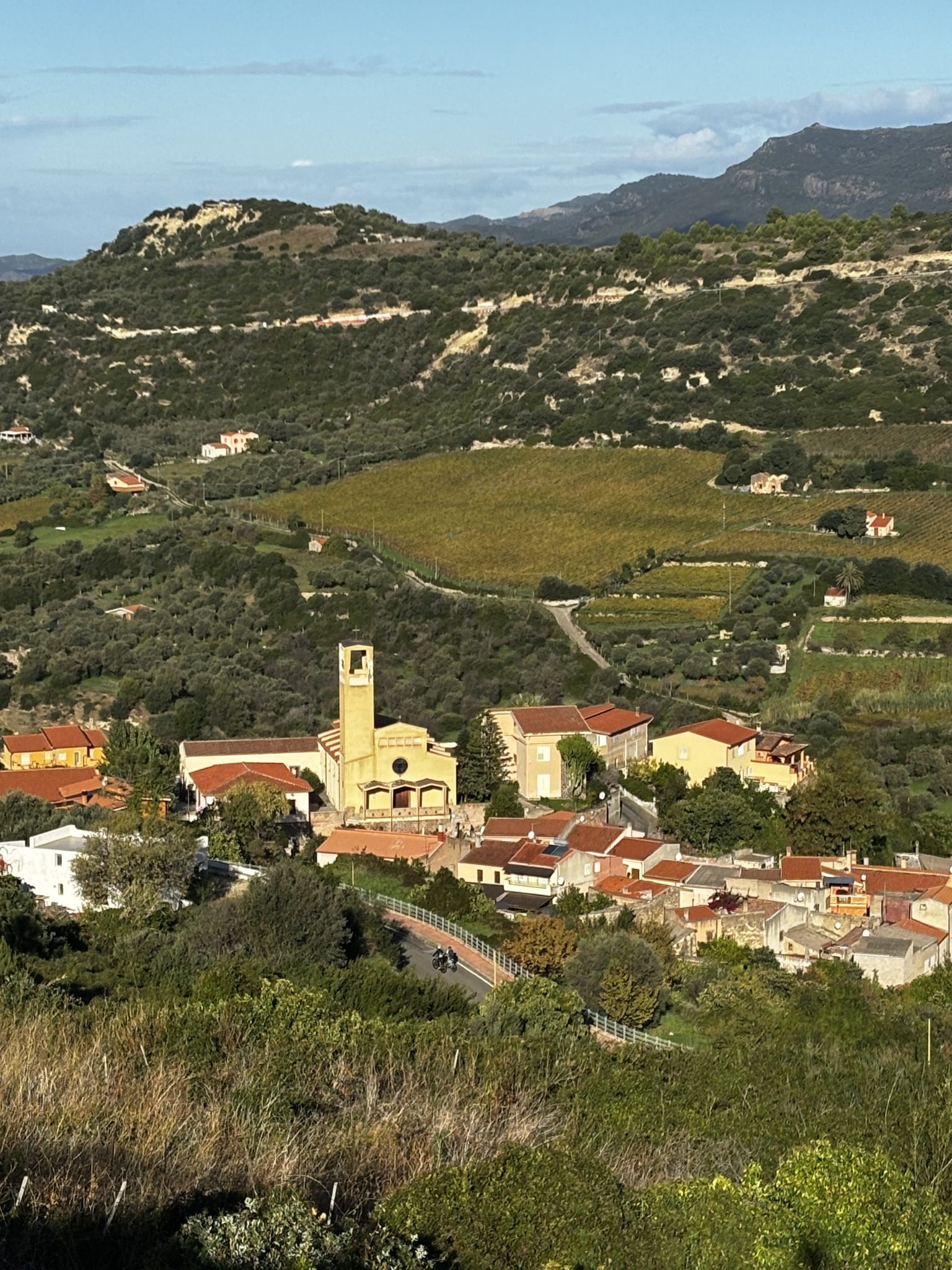
A climb out of a Sicilian fishing village can lead to a silent ridge above the sea. A Tuscan road can turn from smooth pavement to a white gravel lane beside an olive grove. These are the moments when the choice between e-bike or road touring becomes more than a question of fitness. It shapes how you meet the landscape, how long you linger at lunch, and how much energy you still have for an evening walk through a small town.
There is no superior choice for every traveler. The best bicycle is the one that lets your group enjoy the Mediterranean at the same rhythm. For some, that means feeling every climb in the legs and earning the view. For others, it means reaching the same view with more breath for a plate of fresh pasta, a local wine tasting, or one more village beyond the planned route.
E-Bike or Road Touring: What Is the Real Difference?
An e-bike adds pedal assistance, not a motorbike experience. You still pedal, steer, climb, and ride the road. The assistance simply supports your effort, especially on hills, into headwinds, or in the final miles of a warm afternoon. Most riders soon find a level that feels natural: gentle support on flat coastal roads, then more power when the road rises toward a hill town.
Road touring usually means riding a lightweight road or touring bike under your own power. It suits travelers who enjoy the physical side of cycling and are comfortable spending several hours in the saddle. On a well-designed route, it is not about suffering for mileage. It is about the satisfying simplicity of moving through a place at human speed, from espresso in one village to lunch in another.
The difference is not only speed. It is freedom over your energy. On an e-bike, you may choose a longer loop to a remote beach or add a hilltop winery without worrying that the afternoon becomes too demanding. On a road bike, the route itself can become a central part of the holiday: the changing gradients, the quiet concentration, and the pleasure of arriving under your own strength.
Choose an E-Bike When the Holiday Comes First
An e-bike is often the best choice when cycling is one beautiful part of a larger trip. Couples with different fitness levels appreciate it because they can ride together without one person waiting at every summit. Friends who are active in different ways can share the same route, the same coffee breaks, and the same photographs rather than separating into faster and slower groups.
It is also an excellent option for Mediterranean destinations with frequent climbs. Sardinia, Corsica, Mallorca, Sicily, and the inland roads of Puglia all reward riders with spectacular views, but those views often sit above sea level for a reason. Pedal assistance takes away the anxiety around elevation while keeping the joy of reaching places that cars often pass too quickly.
Choose an e-bike if you want to do any of the following: ride at a relaxed pace, include cultural stops without watching the clock, travel with a partner of stronger or lower fitness, or feel confident on rolling terrain. It can also be the smarter choice in summer, when the afternoon sun asks for a little humility.
That does not mean e-bikes are effortless. A full day in the saddle is still active travel. You should be comfortable riding a bicycle, using gears, braking on descents, and spending time outdoors. The assistance is there to make the day more enjoyable, not to replace basic riding skills.
E-bike touring is especially good for mixed groups
A family group, a reunion of friends, or a couple where one rider cycles every weekend and the other rides occasionally can be difficult to plan around. E-bikes remove much of that tension. Stronger riders can still work hard by selecting lower assistance, while less experienced riders have the support to stay comfortable.
This creates a better shared holiday. Nobody needs to prove anything on the first hill. Instead, the group can focus on the things that make a Mediterranean bike trip memorable: a bakery stop in a tiny Croatian village, swimming in clear water after a ride, or a dinner where everyone arrives happy enough to enjoy it.
Choose Road Touring When You Love the Ride Itself
Road touring is for travelers who see the bicycle as more than transportation. You may enjoy a steady climb, the rhythm of a long valley road, and the quiet satisfaction of finishing a route with tired legs. If that sounds like you, a conventional road bike gives a direct, connected feeling that many cyclists prefer.
It is particularly rewarding on destinations with smooth, low-traffic roads and a strong cycling culture. Tuscany offers rolling landscapes and historic towns close together. Mallorca has famous mountain roads as well as quiet inland lanes. Parts of Croatia and Sardinia bring dramatic coastal scenery, while Puglia can offer gentler, flatter riding among olive trees and stone villages.
Road touring also suits riders who prefer a lighter bike and who are already confident with shifting, descending, and spending consecutive days on the bike. A good tour should still match your level. Daily distance alone is not the whole story. Forty miles on mostly flat terrain can feel very different from forty miles with long climbs, wind, rough surfaces, or summer heat.
Fitness matters, but so does your travel style
Many people overestimate how fit they need to be for a road cycling holiday. You do not need to be a racer to enjoy it. What helps most is riding regularly before your trip and choosing a route with sensible daily distances and elevation.
But be honest about what you want from the day. If a three-course lunch, a museum visit, and a slow aperitivo are priorities, a shorter road route or an e-bike may serve you better. If your ideal day includes a sunrise start, a challenging pass, and a late lunch with the deep appetite only cycling creates, road touring may be exactly right.
Consider the Roads, Not Just the Destination
The Mediterranean is wonderfully varied. The same island can offer coastal flats, mountain switchbacks, rough farm lanes, and polished roads through vineyards. Your bicycle choice should follow the actual route rather than a general idea of the destination.
For example, a gentle Puglia itinerary between Lecce, Ostuni, and the Adriatic coast may be comfortable on either bike. A Sardinian route that combines inland villages with granite hills can feel more relaxed on an e-bike, especially for recreational riders. In Tuscany, road cyclists may love the rolling challenge, while e-bike riders can spend more time exploring medieval centers without saving energy for the final climb to their hotel.
Surface matters as well. Some itineraries include gravel sections, country tracks, or ancient lanes where a gravel bike may be better than either a classic road bike or a standard e-bike. A local route designer looks at elevation, pavement quality, traffic patterns, wind exposure, and stopping points, not only the line on a map. That is how an itinerary becomes a holiday instead of a daily navigation problem.
Practical Details That Can Change Your Decision
E-bikes need charging, but this is usually simple on a well-organized tour. Your accommodation should provide a safe place to charge overnight, and the planned route should fit the battery range. Battery life depends on terrain, rider weight, assistance level, temperature, and how much climbing you do. On steep terrain, using maximum assistance all day can reduce range, so it is wise to ride thoughtfully rather than treating the battery as unlimited.
Road bikes require less planning around charging and are easier to lift, carry upstairs, or transport in some situations. They can also feel more agile on fast descents. On the other hand, e-bikes are heavier, which matters if you expect to move the bike frequently when it is not being ridden.
Whichever you choose, comfort should be non-negotiable. The right frame size, saddle position, pedals, helmet, and luggage setup affect your day more than an extra few miles of battery range or a slightly lighter bike. For self-guided travel, reliable navigation, luggage transfers, and clear route notes also make a major difference. At Mediterras, routes are built and checked by local cycling people who know where the road gets steep, where lunch is worth stopping for, and where the beautiful detour is truly worth it.
Let the Trip You Want Decide
Choose an e-bike if you want generous freedom, shared riding with different abilities, and room in the day for beaches, food, culture, and spontaneous stops. Choose road touring if you want the physical pleasure of cycling to be one of the main reasons you travel.
The most memorable Mediterranean rides are rarely defined by the bike alone. They are defined by arriving in a place you would never have found from a highway, sitting down with locals, and realizing you still have enough energy to enjoy the evening. Choose the bike that leaves space for that feeling.