

Key Takeaways
- Cultural cycling trips in Europe offer immersive experiences in food, history, and landscapes, not just standard routes.
- Popular destinations include Puglia, Sicily, Tuscany, and Croatia, each providing unique cultural and culinary experiences.
- Cyclists should consider their riding style, from e-bikes for leisurely tourists to challenging climbs for fitness enthusiasts.
- A balance of riding, regional food, and local culture enhances the experience of the best cultural cycling trips Europe offers.
- Choosing guided or self-guided tours allows travelers to explore at their own pace and discover hidden gems.
Estimated reading time: 7 minutes
A morning ride through olive groves, a coffee at a village bar, a Roman road leading toward a stone town, then a long lunch where the menu is not translated for tourists: this is what a cultural bike holiday should feel like. The best cultural cycling trips Europe offers are not measured only in miles or elevation. They are journeys where every ride brings you closer to a region’s food, history, landscapes, and people.
For many riders, the Mediterranean is the natural place to start. Distances between villages are often ideal for a day on the bike, while centuries of trade, farming, and local tradition give each stop a real story. The right destination depends on how you like to ride, how much climbing you enjoy, and whether your perfect afternoon means a wine tasting, a swim in clear water, or a walk through an old town.
What makes a cycling trip truly cultural?
A cultural cycling trip is not simply a standard route with a museum added at the end. Culture should be part of the road itself. You may ride beside dry-stone walls built by generations of farmers, follow quiet lanes to a family-run winery, or arrive in a town when the evening passeggiata is beginning.
The best itineraries leave room for these moments. A very ambitious route can be satisfying for strong road cyclists, but it may leave little energy for a late lunch in a hill town or an unplanned stop at an archaeological site. For travelers who want both riding and regional life, a moderate daily distance, quality accommodations, and thoughtful luggage transfers make a big difference.
10 best cultural cycling trips Europe travelers should consider
1. Puglia: white towns, olive oil, and Adriatic light
Puglia is one of Europe’s most rewarding regions for relaxed cultural cycling. The landscape is gentle in many areas, with quiet country roads connecting the trulli of the Itria Valley, whitewashed Ostuni, baroque Lecce, and the sea towns of the Salento peninsula.
This is a strong choice for couples, friends, and e-bike riders who want a beautiful trip without making every day a climbing challenge. Food is central here: olive oil, burrata, handmade orecchiette, fresh seafood, and simple vegetables prepared with great care. Spring and early fall bring the most comfortable riding temperatures.
2. Sicily: Greek temples and flavors shaped by the sea
Sicily is larger, wilder, and more varied than many travelers expect. One day can bring you through citrus groves and Baroque towns, the next toward Greek ruins, fishing villages, or the slopes of Mount Etna. It is one of the best destinations for cyclists who want history in big, unforgettable layers.
The trade-off is terrain. Sicily can be hilly and summer heat is serious, especially inland. A carefully designed route, an e-bike option, or a guided trip is often the best way to enjoy its depth without turning the holiday into an endurance test. Choose it for dramatic scenery, extraordinary food, and a sense that every culture in the Mediterranean has left something behind.
3. Tuscany: Renaissance towns and the rhythm of the countryside
Tuscany remains famous for good reason. Cycling through the Val d’Orcia or Chianti means cypress-lined roads, vineyards, medieval villages, and landscapes that seem made for a slow lunch after a ride. The cultural reward is not only Florence or Siena, although both are exceptional. It is also the small places: a butcher’s shop in a market town, a family estate, a local festival in the main square.
Tuscany is rarely flat. Rolling roads are part of its character, and experienced road riders will enjoy them. Recreational cyclists can still have a wonderful time by choosing an e-bike, keeping daily distances sensible, and staying in the countryside rather than trying to cover the whole region.
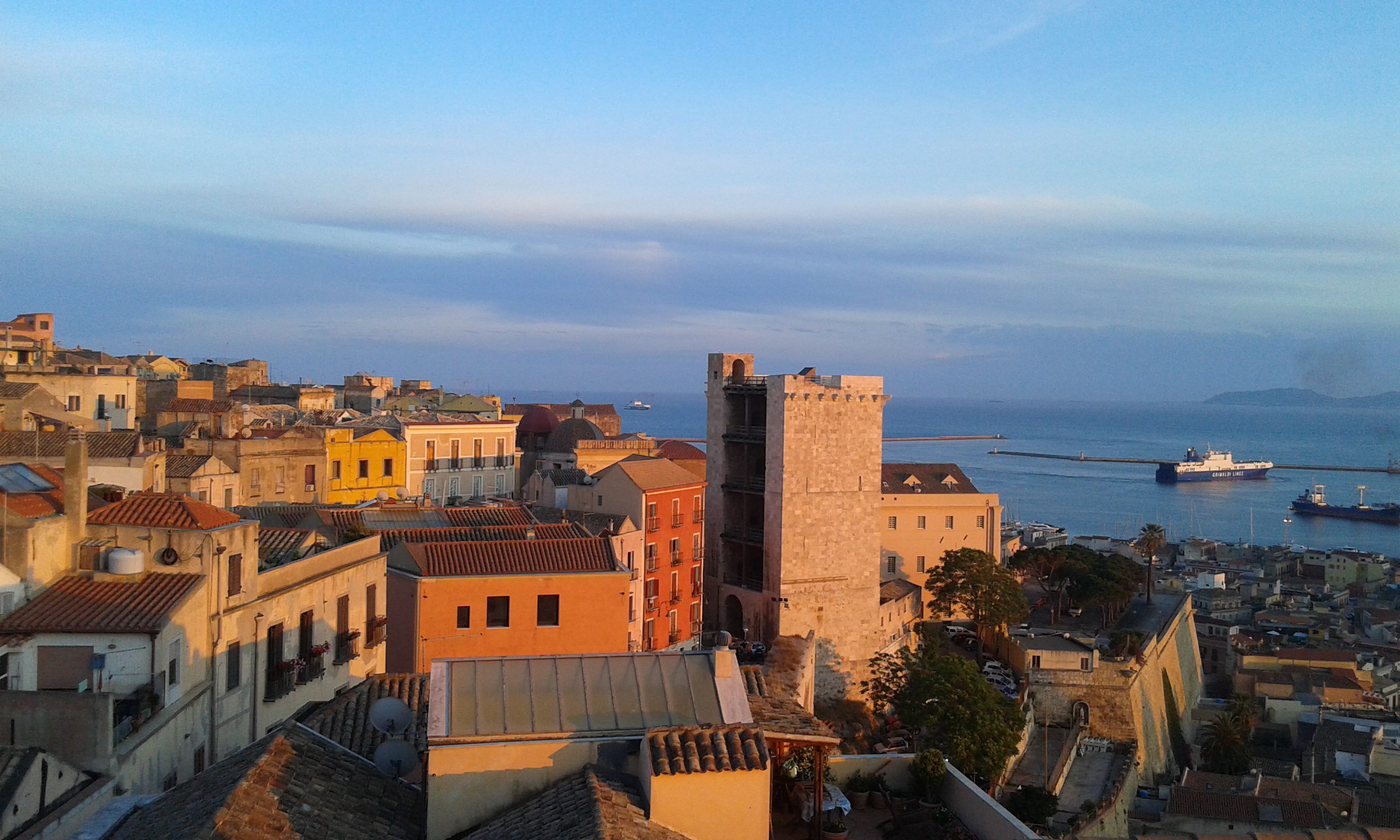
4. Sardinia: ancient traditions beyond the beach
Sardinia is often known for turquoise water, but its most memorable cultural experiences are inland. Nuragic stone towers, shepherd traditions, handmade pasta, and villages where local dialects are still alive give the island a distinct identity. Cycling lets you move from coastal roads into a quieter, more authentic Sardinia.
Routes can be remote, which is part of the attraction. This destination suits travelers who value wild landscapes and do not need a major town every evening. Local route knowledge matters here, because the best roads are not always the most obvious ones on a map.
5. Croatia: island roads, Roman cities, and wine country
Croatia combines the pleasure of Adriatic cycling with a rich mix of Venetian, Roman, Slavic, and Austro-Hungarian influences. Istria is particularly good for cultural riders, with hill towns, truffle dishes, vineyards, and coastal cities such as Rovinj and Poreč. Dalmatia offers a more island-focused experience, often with ferries becoming part of the adventure.
A bike-and-boat format works beautifully for Croatia. It reduces hotel changes and lets you reach islands that would be difficult to connect by road alone. Be prepared for short but steep climbs, especially on the islands. The views are worth the effort, but an e-bike can make the trip more relaxed.
6. Mallorca: a Mediterranean island with two personalities
Mallorca is known among road cyclists for the Serra de Tramuntana, but its cultural side is just as appealing. Inland lanes lead through almond groves, windmills, quiet villages, and traditional markets. The old city of Palma offers Gothic architecture, lively food markets, and a strong place to begin or end the trip.
For athletic riders, mountain routes provide a serious challenge. For a more cultural vacation, stay in the central plains or southeast, where the terrain is softer and time can be spent in villages rather than chasing famous climbs.
7. Corsica: mountain villages and a proud island identity
Corsica feels close to Italy and France while remaining completely its own place. Its roads pass chestnut forests, dramatic mountains, small stone villages, and a coastline of startling blue water. Local cheeses, cured meats, and wines reflect a fiercely independent island culture.
This is not a beginner destination if you avoid hills. Corsica rewards riders who enjoy climbing, changing landscapes, and quieter roads. With e-bike support or a custom route, it can also work for mixed-ability groups who want a more adventurous Mediterranean experience.
8. Albania: Europe before the crowds arrive
Albania offers one of the most surprising cultural cycling holidays in Southern Europe. Ottoman-era towns, mountain valleys, communist-era history, Balkan hospitality, and a rapidly growing food scene make it deeply memorable. It still feels less polished than Italy or Spain, which is exactly why many travelers love it.
Road surfaces and services can vary more than in established cycling regions, so local support is valuable. The reward is genuine warmth and a feeling of discovery that is increasingly rare in Europe.
9. The Veneto: canals, Palladian villas, and prosecco hills
The Veneto offers a refined, lower-stress alternative to hillier Italian regions. Cyclists can combine the canals and lagoon atmosphere of Venice with the Palladian villas around Vicenza, the walled city of Treviso, and the vineyards of the Prosecco hills.
It suits riders who enjoy a mix of flat or rolling terrain, art, architecture, and food. The key is not rushing Venice in a few crowded hours. Build in time to experience it properly, then use the bike to find the slower towns beyond the lagoon.
Choose your pace before choosing your destination
The best destination can feel wrong if the riding style does not match your expectations. A self-guided trip is ideal for independent travelers who appreciate a tested route, booked hotels, navigation support, and the freedom to stop when they wish. Guided cycling suits groups who want a local expert to add stories, manage details, and introduce places they might never find alone.
E-bikes are not a compromise. They are often the smartest choice for couples or friends with different fitness levels, and they allow more time for culture when the route has hills. Gravel bikes can be excellent in Tuscany, Sardinia, and Istria, but they are best for riders comfortable with unpaved tracks and a little more adventure.
At Mediterras, local guides build cycling holidays around this balance: good riding, verified accommodations, regional food, and enough space to feel the destination rather than simply pass through it.
A memorable cultural cycling trip should leave you with more than photos of beautiful roads. Choose the place whose flavors, history, and daily rhythm make you curious enough to get off the bike, sit down at the table, and stay a little longer.