

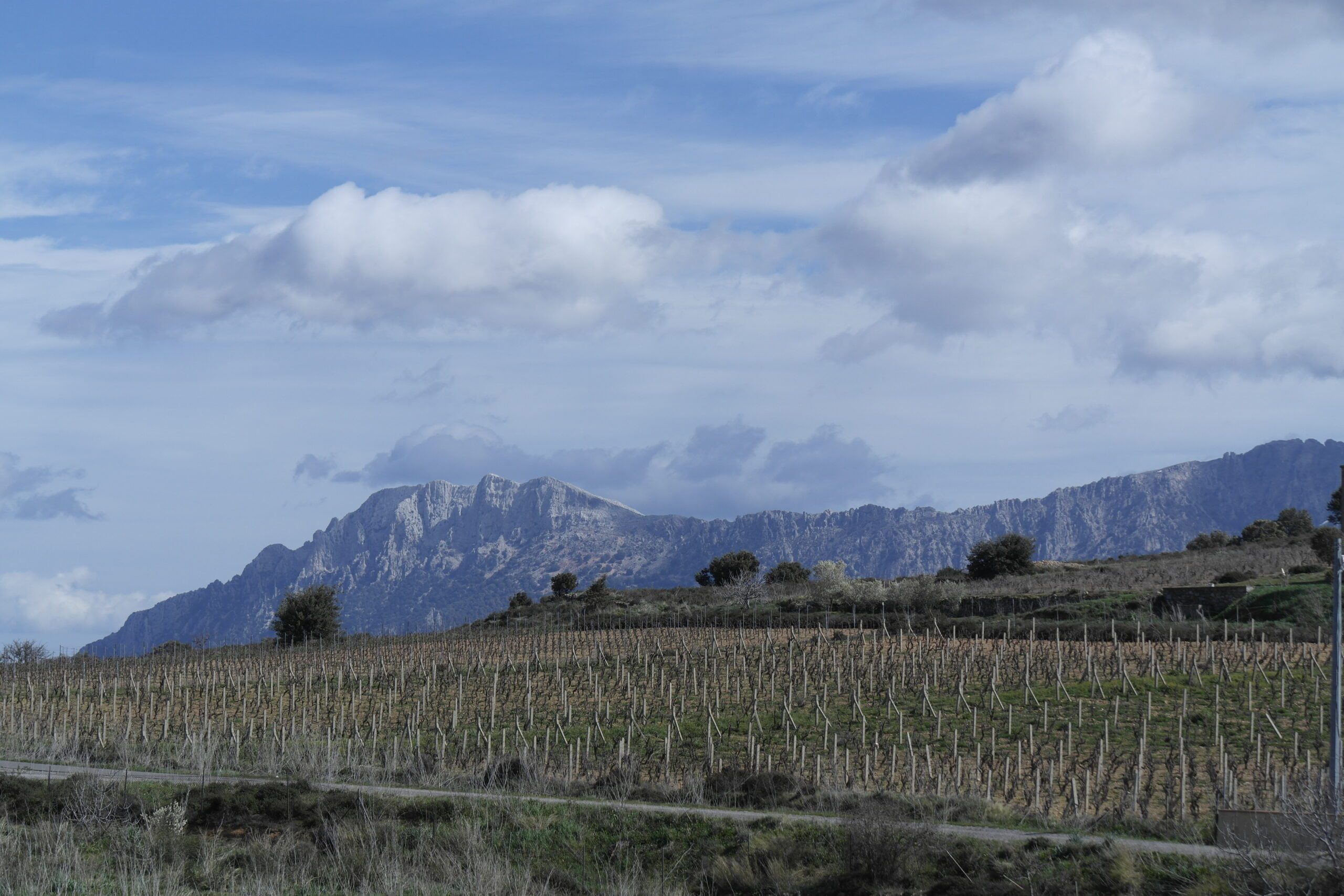
Key Takeaways
- Sardinia offers varied cycling experiences throughout the year, depending on weather and personal preferences.
- The best months to visit Sardinia for cycling are April, May, June, September, October, and November, balancing comfortable temperatures and fewer crowds.
- Spring features lush landscapes and is ideal for recreational cyclists, while summer brings heat, requiring careful planning for rides.
- Fall offers mild weather, cultural experiences, and a focus on local flavors, making it rewarding for food enthusiasts.
- Winter can work for flexible riders seeking solitude, but it lacks the guaranteed cycling weather of other seasons.
Estimated reading time: 9 minutes
Sardinia is not a destination where one season fits every cyclist. In April, you can ride through green hills scented with wild herbs; in August, the same road may feel beautiful but fiercely hot by late morning. If you are deciding when to visit Sardinia for cycling, the best answer depends on how you ride, how much heat you enjoy, and whether a long lunch by the sea is as important as the climb before it.
For most travelers, spring and fall offer the finest balance of comfortable temperatures, quieter roads, open hotels, and the island at its most alive. But Sardinia has many faces. The rugged east coast, the flat western lagoons, the granite north, and the inland mountains all have their own rhythm. Choosing the right month means you can experience the island with energy left for its villages, food, and beaches.
The best time to visit Sardinia for cycling
The strongest months for a cycling holiday in Sardinia are April, May, June, September, October and November. These are the months when the island gives riders its generous side: long days, clear light, good road conditions, and temperatures that usually invite you to stay outside from breakfast until aperitivo.
April and May are ideal for riders who love landscapes. The countryside is green after winter rain, wildflowers cover the fields, and sheep and goats graze close to the quiet back roads. Temperatures are often mild, especially along the coast, though mornings can be cool and a rainy day is always possible. For road cycling, gravel riding, and e-bike trips, this is one of the most beautiful periods of the year.
June is often the sweet spot for travelers who want dependable sunshine without the peak summer intensity. The sea is warming, restaurants and small coastal towns have their full energy again, and daylight stretches well into the evening. Inland climbs can be warm by midday, so locally designed routes should start early and finish in a village where a shaded lunch is waiting.
September is equally special, and for many experienced cyclists it is the best month of all. The sea remains warm after summer, the crowds become lighter, and the sun is softer than in August. It is a wonderful time for longer road rides, bike-and-boat journeys, and active holidays that combine cycling with swimming and local food.
October and November brings a slower, more intimate Sardinia. Days are generally pleasant, the colors turn warmer, and harvest season gives village markets and family-run restaurants an extra richness. You may encounter occasional rain, but this is also when the island feels most local. It suits cyclists who prefer peaceful roads, cultural stops, and a gentler pace.
Spring: green roads, flowers, and fresh riding weather
From late March through May, Sardinia feels far from the dry island many people imagine. The hills around the interior are green, cork oak forests are fresh, and the coastal air is clear after winter. It is the season for routes that move between small villages, archaeological sites, and open farmland.
April can bring changing weather. A bright morning may become breezy on an exposed coastal road, while mountain areas such as the Gennargentu can stay noticeably cooler. Pack arm warmers, a light waterproof layer, and clothing you can adjust during the day. This small preparation gives you more freedom to enjoy the ride rather than watching the forecast.
May is more settled and often perfect for recreational cyclists and couples on e-bikes. You can comfortably explore the southwest around Sulcis, ride the quiet roads of the Sinis Peninsula, or follow the spectacular eastern coast without the summer traffic. For gravel riders, spring also offers firmer temperatures for inland tracks, where shade can be limited later in the year.
The trade-off is that the sea may still be cool, especially early in spring. If your dream trip includes a long swim after every stage, June or September may be a better fit.
Summer: possible, but plan around the heat
July and August are Sardinia at its brightest, busiest, and hottest. The beaches are magnificent, evenings are full of life, and coastal towns have a festive atmosphere. Yet for a cycling-focused vacation, these months require smart planning.
On many days, temperatures rise quickly after 10 a.m. Inland areas can become very hot, and climbs without shade ask more from the body than their elevation profile suggests. Strong recreational riders can still enjoy summer cycling, but the best format is shorter morning rides, early starts, plenty of water, and relaxed afternoons by the sea or in a cool stone village.
Summer works especially well for e-bike travelers, families, and groups who want cycling to be part of a wider beach holiday. A 20- to 35-mile coastal route with a swim stop and a seafood lunch can be unforgettable. A 70-mile ride through the inland hills at noon is a very different experience.
Route selection matters greatly in this season. Local guides know which roads have shade, where fountains are reliable, which villages are open for lunch, and which climbs should simply be avoided in the hottest weeks. At Mediterras, this kind of on-the-ground knowledge is part of building a trip that feels enjoyable, not like an endurance test.
If you travel in July or August, choose accommodations that allow easy early departures, carry more water than you think you need, and keep the daily plan flexible. Sardinia rewards those who ride with the rhythm of the sun.
Fall: warm sea, quiet roads, and harvest flavors
September, October and November are made for travelers who want both active days and a deeper connection with Sardinian life. The summer rush eases, but many hotels, restaurants, and boat services remain open. The island has space again.
September is particularly good for road cyclists who enjoy longer distances. Mornings are comfortable, the light is golden, and the warm sea adds an easy recovery ritual after a day in the saddle. Coastal routes around Alghero, the Gulf of Orosei, and southern Sardinia are especially appealing at this time.
In October and November, the weather becomes less predictable, but the rewards are more cultural. This is a fine period for routes that include vineyards, olive groves, family kitchens, and historic towns. You may need a rain jacket, and daylight is shorter, so stage lengths should be planned with care. In return, you find quieter roads and an island that feels less like a summer postcard and more like a lived-in place.
For food lovers, fall is hard to beat. Seasonal mushrooms, new olive oil, hearty pasta dishes, local cheeses, and Cannonau wine bring another layer to the journey. Cycling creates an honest appetite, and Sardinia knows how to answer it.

Winter: a quiet option for flexible riders
From December through February, Sardinia is mild compared with much of northern Europe and North America, but it is not guaranteed cycling weather. Coastal temperatures can be pleasant, while inland areas may be cold, wet, and windy. Some seasonal hotels and restaurants also close, especially in smaller beach destinations.
Still, winter can work for experienced riders with flexible expectations. It is best for a custom itinerary based in larger towns, with shorter daily distances and alternative plans for wet days. The empty roads, dramatic skies, and local atmosphere can be remarkable. This is not the season for chasing a beach holiday, but it can be a beautiful time for those who value solitude over certainty.

Match your month to your riding style
A road cyclist seeking sustained climbs and long distances will usually be happiest in May, June, September, or early October. These months make it easier to tackle Sardinia’s rolling interior and mountain roads without fighting extreme heat.
Gravel riders should look closely at spring and fall. Tracks are more comfortable, dust is less intense, and the changing colors of the countryside add to the experience. After heavy rain, some unpaved routes can be slower, so a route designed with local alternatives is valuable.
E-bike travelers have the widest seasonal window. March through June and September through November can all work well, especially when rides are built around villages, beaches, tastings, and scenic stops rather than daily mileage. Summer remains possible with early starts and sensible route design.
For a bike-and-boat trip, late May, June, and September are particularly attractive. The water is inviting, the weather is usually stable, and cycling days can be balanced with time on deck, swimming coves, and relaxed island evenings.
A local way to choose your dates
Do not choose a month only by average temperature. Think about the holiday you want to remember. If you picture flower-filled roads and quiet villages, choose late April or May. If you want warm water and long sunny evenings, choose June or September. If food, harvest traditions, and peaceful roads matter most, October may be your month.
Sardinia is at its best when the itinerary follows the season: an early ride in summer, a mountain loop on a crisp spring day, a long coastal lunch in September, or a glass of local wine after an October stage. Choose the month that fits your own rhythm, then let the island do the rest.