

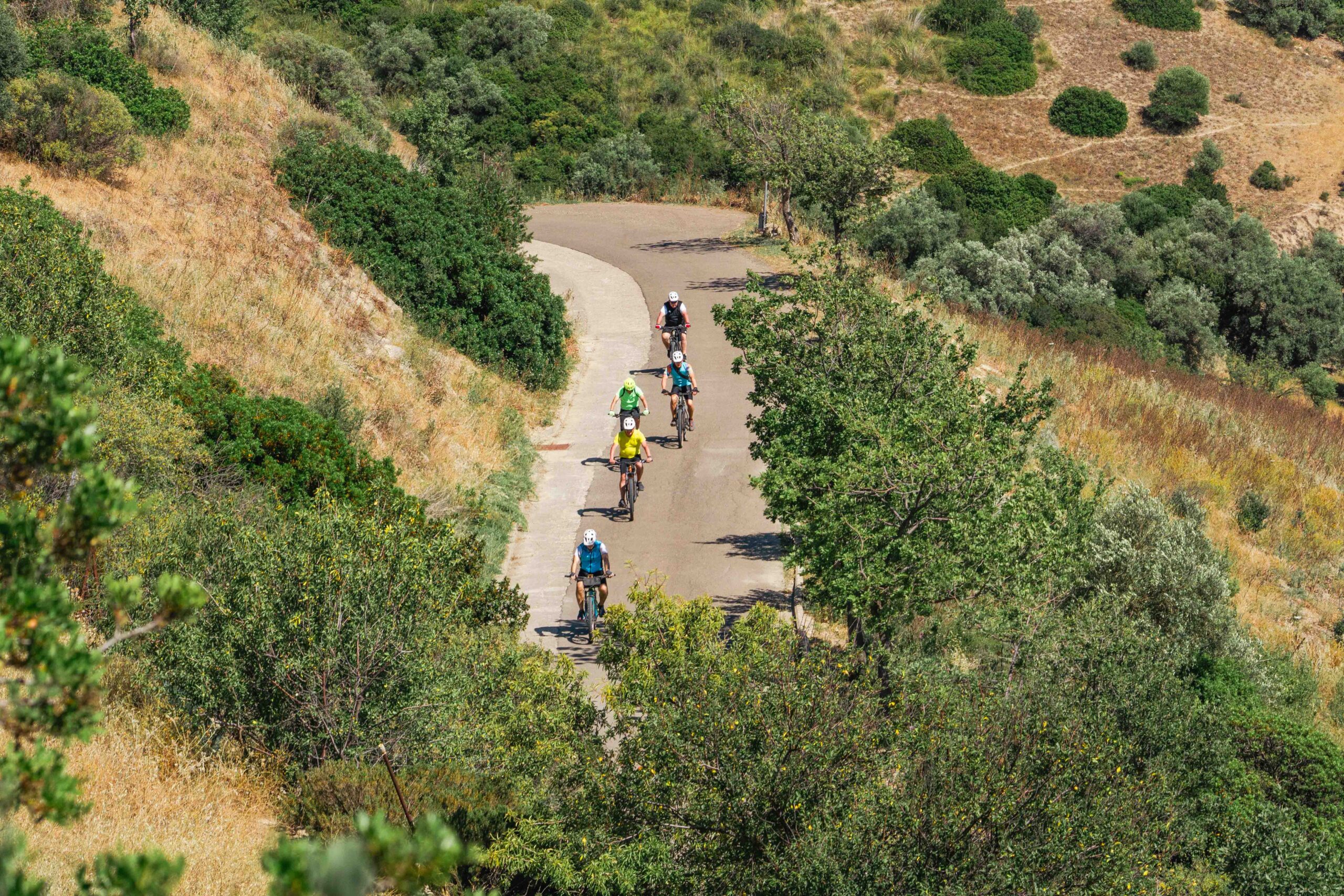
Key Takeaways
- Choose your cycling style based on daily distance, comfort, and group preferences for a fulfilling experience.
- Select a Mediterranean destination that fits your travel personality, including road type and local culture, not just the scenery.
- Timing matters; plan your trip for spring or fall to avoid summer heat and enjoy more comfortable riding conditions.
- Decide between self-guided, guided, or bespoke support to match your travel needs and preferences.
- Consider food and accommodations as key elements; the right choices enhance your overall journey and experience while cycling.
Estimated reading time: 8 minutes
The best Mediterranean rides are rarely about chasing the biggest mileage. They are about rolling into a small village before lunch, stopping where the local fishermen eat, and finding that the road beyond the olive trees is even more beautiful than expected. To understand how to plan a Mediterranean cycling holiday, start with one simple question: what do you want to feel when you are on the bike?
For some travelers, it is the quiet pleasure of coastal roads and swims in clear water. For others, it is a serious road challenge through the hills of Mallorca or Tuscany. Many want both: satisfying riding in the morning, then a long lunch, a beautiful hotel, and time to discover the place. The Mediterranean can offer all of this, but the right trip depends on choosing with care.
Start with your kind of cycling day
Before picking a country, be honest about how you like to ride. A cycling holiday should fit the group, not ask everyone to become a different cyclist for one week. Consider your preferred daily distance, climbing comfort, road confidence, and how much time you want off the bike.
A recreational rider may enjoy 25 to 40 miles per day with time for a beach stop, winery visit, or relaxed lunch. More experienced road cyclists may prefer 50 to 75 miles, with mountain passes or long rolling terrain. E-bikes bring an excellent middle path for couples, families, and friends with different fitness levels. They make hills more accessible without removing the joy of moving through the landscape under your own power.
Gravel riding changes the experience again. In Tuscany, Sicily, Sardinia, and Croatia, quiet white roads and country tracks can take you far from traffic and close to farms, forests, and small villages. But gravel routes need sensible planning. Surface conditions, heat, water stops, and technical ability matter more than they do on a classic road itinerary.
When planning for a group, use the least confident rider as the starting point. A well-designed route can always offer an extra loop for stronger cyclists. A route that is too difficult, however, can turn a beautiful week into a daily test.
Choose a destination for more than its views
Every Mediterranean destination has fine scenery. The real difference is the rhythm of the roads, the local food, and what happens between rides.
Sardinia is a strong choice for wide-open landscapes, quiet roads, wild coastlines, and a feeling of space. It suits riders who love nature, clear sea, and long days with little traffic. Sicily has more energy and contrast: volcanic slopes, Baroque towns, ancient history, citrus groves, and food that tells the story of many cultures. It can be wonderfully varied, though its terrain asks for a little more flexibility.
Tuscany is ideal if your dream includes vineyards, stone farmhouses, cypress-lined roads, and classic rolling hills. It is a natural fit for road and gravel cyclists, especially those who want to combine riding with wine, art, and memorable meals. Puglia is gentler and flatter in many areas, with whitewashed towns, olive groves, and Adriatic or Ionian swims. It works beautifully for relaxed cyclists and e-bike travelers.
Mallorca is famous for good reason. Its road surfaces, cycling culture, and mountain roads make it a favorite for committed riders, while the island also has flatter inland routes for easier days. Croatia and Corsica bring dramatic coastlines and island character, but often with more climbing. Albania offers a more emerging, adventurous feeling, where a local connection makes a big difference to the experience.
Do not choose only from a photograph. Ask whether you want famous climbs, quiet countryside, island hopping, historic towns, food markets, or a mixture of each. The destination should match your travel personality as much as your fitness.
Pick the right season, not just the cheapest flight
Mediterranean weather is generous, but summer heat can change a ride completely. In many southern regions, April through June and September through October are the sweet spots. Days are warm, landscapes are green in spring or golden in fall, and riding is more comfortable than in peak summer.
July and August can work well for coastal, mountain, or bike-and-boat trips, especially when you ride early and rest in the hottest hours. Still, inland Sicily, Puglia, Sardinia, and southern Spain can be very hot. If you love long climbs in midday sun, this may be fine. If you want slow lunches and gentle sightseeing, choose another period.
Spring has wildflowers, fresh produce, and a lively local atmosphere before the busiest travel weeks. Fall brings warm sea temperatures, grape harvests, and softer light. The trade-off is that weather can be less predictable, particularly on islands and in mountain areas. A smart itinerary includes alternatives, shorter route options, and hotels placed well for a relaxed adjustment if needed.
Decide between self-guided, guided, and bespoke support
The right support level is part of how to plan a Mediterranean cycling holiday well. A self-guided tour is ideal for independent travelers who enjoy riding at their own pace but want routes, luggage transfers, quality accommodations, and local advice already arranged. You can stop for an espresso when you like and stay longer in a town that surprises you.
A guided trip adds a human layer. A local guide reads the weather, adjusts the pace, explains the region, and knows where to find the small restaurant that does not appear in a general travel search. Guided cycling is especially valuable for groups with mixed riding levels, first-time visitors, or travelers who want to focus only on the day and leave logistics behind.
A bespoke itinerary is worth considering when the trip marks a birthday, anniversary, family gathering, or a long-awaited vacation. Maybe you want a private villa, a cooking experience, a boat transfer, a rest day by the sea, or routes built around your exact daily mileage. Local specialists such as Mediterras can shape these details with knowledge gained from scouting roads and knowing the people behind the places.
Build an itinerary with room to enjoy it
A seven-night trip does not need seven hard rides. In fact, it is usually better with five or six riding days, one shorter day, and space for a rest or cultural afternoon. The Mediterranean rewards curiosity. You may want an hour in a coastal town, an unplanned swim, or a second glass of wine at a family-run estate.
Plan the geography carefully. Point-to-point journeys feel immersive because the landscape changes every day, from inland hills to the coast, or from one island village to another. They require luggage transfers and good route design, but they create a strong sense of journey. Center-based trips are easier for travelers who prefer unpacking once, with loop rides from a single hotel or agriturismo.
Consider the daily shape of each ride. A 45-mile route with 3,500 feet of climbing is very different from 45 flat miles along the coast. So is a route with three towns and many water stops compared with one through empty countryside. Read elevation, surface, and services together. Numbers alone do not tell the whole story.
Choose bikes and gear for comfort, not appearance
A properly fitted bike will improve every mile. Decide whether to bring your own bike or rent locally. Bringing your own can be reassuring if fit and performance are essential, but it means traveling with a bike case and managing airline rules. A good local rental reduces hassle and is often the better choice for an e-bike, gravel bike, or a multi-stop itinerary.
Reserve early if you need a particular frame size, e-bike, power meter, or high-performance road bike. Ask what is included: helmet, pedals, repair kit, lights, lock, phone mount, and charging equipment are small details that matter once you arrive.
Pack for changing conditions rather than filling a suitcase. A light wind layer, rain shell, sunscreen, padded shorts, two water bottles, and a small saddle bag cover much of what you need. In shoulder seasons, arm warmers and a warmer base layer can save a cool mountain descent. For summer, prioritize breathable clothing and sun protection.
Let food and stays shape the route
A Mediterranean cycling holiday becomes special when the route makes sense beyond the bike. Choose accommodations that give you a good night of sleep, secure bike storage, and an easy start in the morning. A countryside masseria in Puglia, a small harbor hotel in Croatia, or an agriturismo in Tuscany can become part of the memory, not simply a bed for the night.
Food is fuel, but it is also one of the best reasons to travel here. Plan for a real breakfast and know where lunch can happen, especially on remote routes. Do not make every dinner late and elaborate if you have a demanding ride the next day. Balance one special tasting menu with simpler local meals: fresh pasta, grilled fish, bread warm from the oven, seasonal vegetables, and fruit from the market.
Leave enough space in your plan for the moments that cannot be scheduled. A good local route does more than connect hotels. It gives you the confidence to take the small road toward the sea, stop at the family bakery, and arrive before sunset with enough energy to enjoy where you are.