

Key Takeaways
- Authentic food focused bike tours integrate local cuisine with cycling, enriching the travel experience.
- Traveling by bike allows you to connect with the landscape and the stories behind your meals.
- Local, seasonal ingredients define authenticity, with meals often chosen by your host rather than from a menu.
- Choosing the right balance of cycling and dining experiences is key to a fulfilling tour.
- Mediterras emphasizes local knowledge to create itineraries that genuinely reflect the culture and food of each region.
Estimated reading time: 7 minutes
A warm ricotta pastry after a climb in Sicily tastes different when the baker tells you which sheep farm supplied the milk. A plate of orecchiette in Puglia becomes more than lunch when you have cycled through the wheat fields that shaped the recipe. This is the real value of authentic food focused bike tours: food is not an added attraction after the ride. It is part of the route, the landscape, and the people you meet along the way.
For travelers who want a Mediterranean vacation with movement, flavor, and genuine connection, cycling is one of the best ways to travel slowly enough to understand a place. You arrive hungry, curious, and far from the crowded restaurant streets. Then a local meal gives meaning to every mile.
What Makes a Food-Focused Bike Tour Authentic?
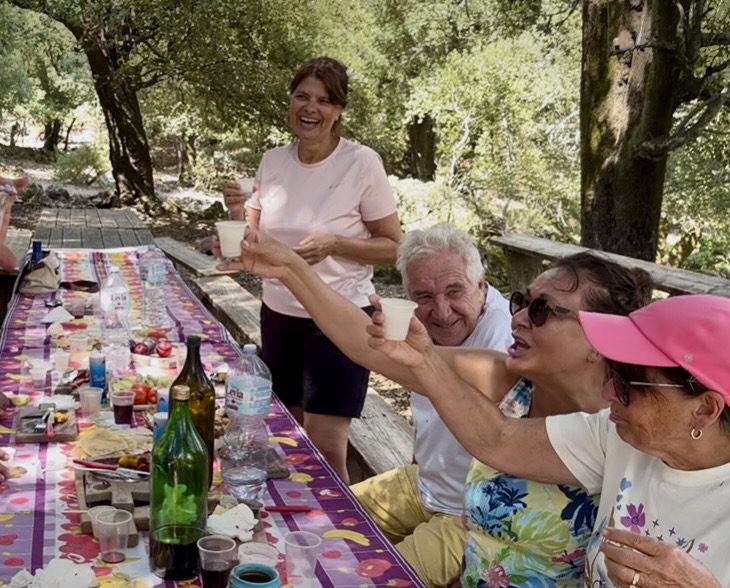
Authenticity is not a menu full of famous dishes. It is knowing where to find those dishes in the context where they belong. In Tuscany, that may mean tasting pecorino in a small hill town after riding past the sheep and stone farmhouses of the Val d’Orcia. In Sardinia, it can mean a long table lunch with culurgiones, roasted vegetables, and Cannonau wine after a coastal ride.
An authentic experience is usually personal, seasonal, and connected to the region. The restaurant may be modest. The owner may choose your lunch rather than hand you a long menu. The olive oil may come from trees just beyond the terrace. These details matter because Mediterranean cooking is built on place.
A well-designed tour also avoids the false choice between serious cycling and great food. You can ride a beautiful, rewarding route and still have time for a market visit, winery stop, or relaxed dinner. The key is thoughtful pacing. A 45-mile day with 4,000 feet of climbing before a long lunch is very different from a rolling 30-mile route through vineyards. Both can be excellent, but they suit different riders.
Why the Bike Is the Best Seat at the Table
A car takes you from one reservation to the next. A bicycle lets you notice what happens between them. You smell wild herbs on a Corsican descent, pass citrus groves near Mount Etna, and see fishermen returning to a Croatian harbor before dinner. By the time you sit down, the meal has a story.
Cycling also creates the right appetite. There is simple pleasure in stopping for bread, cheese, fruit, or espresso after a morning in the saddle. But food-focused cycling should not be about earning every bite. It should be about enjoying the rhythm of the day: ride, pause, taste, talk, and ride again.
This rhythm works especially well for couples, friends, and families with mixed priorities. One person may be excited by a quiet gravel road, while another is dreaming about a seafood lunch. On the right itinerary, both get what they came for. E-bikes make this balance even easier, allowing riders with different fitness levels to share the same route without turning the day into a race.
The Mediterranean Regions Where Food Leads the Ride
Sicily: Volcanic Landscapes and Big Flavors
Sicily is made for travelers who want variety. In a single week, routes can move from Baroque towns and olive groves to vineyards on Etna’s slopes and the bright coast near Syracuse. The food is equally layered, with Arab, Greek, Spanish, and local traditions all visible on the plate.
Expect granita at breakfast, pistachios from Bronte, fresh fish, caponata, and wines shaped by volcanic soil. Sicily is ideal for riders who enjoy culture as much as scenery and do not mind a few meaningful climbs. An e-bike can be a smart choice around Mount Etna or in the hill towns, leaving more energy for a long dinner.
Puglia: Simple Ingredients, Deep Tradition
Puglia has a more relaxed cycling character. Its countryside is often gently rolling, its roads pass ancient olive trees and whitewashed villages, and its food speaks with confidence through simple ingredients. Burrata, friselle, tomatoes, seafood, local greens, and handmade pasta need very little decoration when they are fresh.
This is a strong choice for recreational cyclists, first-time bike travelers, and groups that want plenty of time off the bike. Riding from the Itria Valley toward the Adriatic coast, with a stop in a family-run masseria, is a classic Puglian pleasure. The region also suits self-guided travel very well, provided the route and accommodations have been carefully checked on the ground.
Sardinia: Wild Roads and Honest Cooking
Sardinia offers something more remote. The interior has quiet roads, rugged mountains, sheep pastures, and villages where traditions remain strong. Along the coast, the sea brings another side of the island: bottarga, grilled fish, Vermentino, and crisp coastal produce.
Food here can feel wonderfully direct. Pane carasau, pecorino, suckling pig, and handmade pasta tell the story of an island shaped by shepherds, sea, and distance from the mainland. Sardinia is best for travelers who appreciate dramatic scenery, quieter roads, and meals that are rooted in local life rather than polished for tourists.
Tuscany: Beyond the Famous Postcard
Tuscany deserves its reputation, but the best experience goes beyond the most photographed roads. The right route finds smaller villages, working farms, family vineyards, and trattorias where the menu follows the season. Depending on the area, you may taste Chianina beef, wild boar ragù, ribollita, pecorino, or a fresh harvest of olive oil.
The trade-off is that Tuscany is popular, particularly in spring and early fall. Expert route design matters here. Quiet secondary roads, well-timed stops, and accommodations outside the busiest centers can make the difference between a generic holiday and a trip with real local character.
How to Choose the Right Food and Cycling Balance
Before booking, be honest about how you want to feel at the end of each day. Some travelers want a challenging road ride before a celebratory meal. Others want an easy ride with time for a cooking lesson, winery visit, or swim. Neither style is better, but the itinerary must match the intention.
Ask how many miles and how much climbing are planned each day, not only the total distance. Ask whether lunches are quick stops or part of the experience. Ask if the route reaches local producers naturally or if food visits require van transfers. These practical details reveal whether food is truly integrated into the trip.
Support style matters too. A guided tour brings the knowledge of a local leader who can explain the landscape, communicate with hosts, and adjust the day when weather or energy levels change. A self-guided tour offers more independence and privacy, especially for couples, with navigation, selected hotels, and local recommendations already in place. Bespoke trips are ideal when food is a central passion, whether that means vegetarian dining, wine estates, cooking experiences, or a route built around regional specialties.
At Mediterras, routes are created by local cycling guides who know which climb is worth the effort, which village market is alive on Thursday morning, and where a simple lunch can become one of the memories of the trip. That local knowledge cannot be copied from a generic travel list.
A Few Details That Turn a Good Tour Into a Great One
The best food-focused bike tours leave room for spontaneity without leaving logistics to chance. Your accommodations should be close enough to the route that you are not spending valuable time on transfers. Luggage should arrive before you do. Dinner reservations may be useful in smaller towns or during busy periods, but there should also be space to follow a local recommendation.
Season changes the experience. Spring brings artichokes, green hills, and cooler riding weather. Early summer offers long evenings and stone fruit, though coastal areas become busier. Fall is wonderful for grape harvests, mushrooms, chestnuts, and olive picking. In southern Italy and the islands, late September through October often gives a beautiful balance of warm seas, lighter crowds, and excellent food.
Do not judge a tour by how many tastings are included. A packed schedule can make every stop feel rushed. One unhurried lunch with the right host, after a memorable ride, is often worth more than five quick samples at tourist-focused shops.
The Mediterranean is generous when you travel at its pace. Choose roads that invite you to stop, meals made by people who care about their ingredients, and a route that leaves enough time to sit at the table. The finest souvenir may be the recipe you cannot quite recreate at home, because it still needs the road, the light, and the people who served it to you.