

Key Takeaways
- Cycling holidays in Sicily offer a unique blend of dramatic landscapes, rich culture, and varied riding styles.
- The island caters to all types of cyclists, from beginners on e-bikes to experienced mountain climbers.
- Best regions for cycling include Eastern Sicily for its cultural richness, Mount Etna for dramatic climbs, and Western Sicily for scenic coastal rides.
- Spring and fall are ideal for cycling holidays in Sicily due to pleasant weather and vibrant landscapes.
- Careful planning of routes and accommodations enhances the experience, making cycling in Sicily both memorable and enjoyable.
Estimated reading time: 1 minute
You feel Sicily first through contrast. A quiet road lined with almond trees gives way to a sea view. A hard climb ends in a stone hill town where lunch is slow, local, and absolutely worth the extra switchback. That is why cycling holidays Sicily appeal to so many different riders – not just because the island is beautiful, but because every day on the bike feels layered with culture, terrain, and personality.
Sicily is not a place for generic bike travel. It is dramatic, generous, and a little wild in the best sense. For riders who want more than mileage, it delivers a rare balance: serious landscapes, deeply rooted food culture, and roads that can still feel surprisingly authentic once you leave the busiest tourist corridors.
Why cycling holidays in Sicily stand out
Many destinations offer good riding and nice weather. Sicily offers identity. The island has a strong sense of place that comes through in everything – the architecture, dialects, markets, vineyards, fishing towns, and the cuisine that changes from one area to the next.
For cyclists, that variety matters. A week here does not feel repetitive. One day might bring rolling inland roads through olive groves and wheat fields. The next could be a coastal ride under limestone cliffs, or a long volcanic ascent where the scenery becomes almost lunar. Even the light changes constantly, especially in spring and fall, when the colors are softer and the roads often feel calmer.
There is also a practical advantage. Sicily works for different riding styles. Strong road cyclists can find serious climbing and rewarding point-to-point routes. Recreational riders can choose gentler coastal sections and shorter inland rides. E-bikes open up hill towns and longer scenic stretches without turning the holiday into a test of endurance. Gravel riders, too, can find memorable white roads, farm tracks, and lesser-traveled backcountry terrain, though the route design needs care because surfaces vary more than they do in mainland regions built around gravel tourism.
What kind of rider Sicily suits best
Sicily is ideal for travelers who care as much about where they stop as how far they ride. If your perfect day includes a meaningful route, a great lunch, and a beautiful place to sleep, the island makes a strong case for itself.
It suits couples especially well because the experience can be flexible. One rider might want a longer climb, the other a more relaxed pace with an e-bike. With the right planning, both can enjoy the same itinerary and still finish the day together over seafood, Nero d’Avola, or pistachio granita.
It also works for small groups with mixed fitness, but this is where route design really matters. Sicily is not uniformly flat, and some of its most beautiful areas are also its hilliest. Families and casual riders can absolutely enjoy it, but they should focus on carefully chosen regions and realistic daily distances. The romantic idea of riding the whole island sounds appealing, yet many travelers enjoy Sicily more when they experience one zone well rather than trying to cover everything.
Best regions for cycling holidays Sicily offers
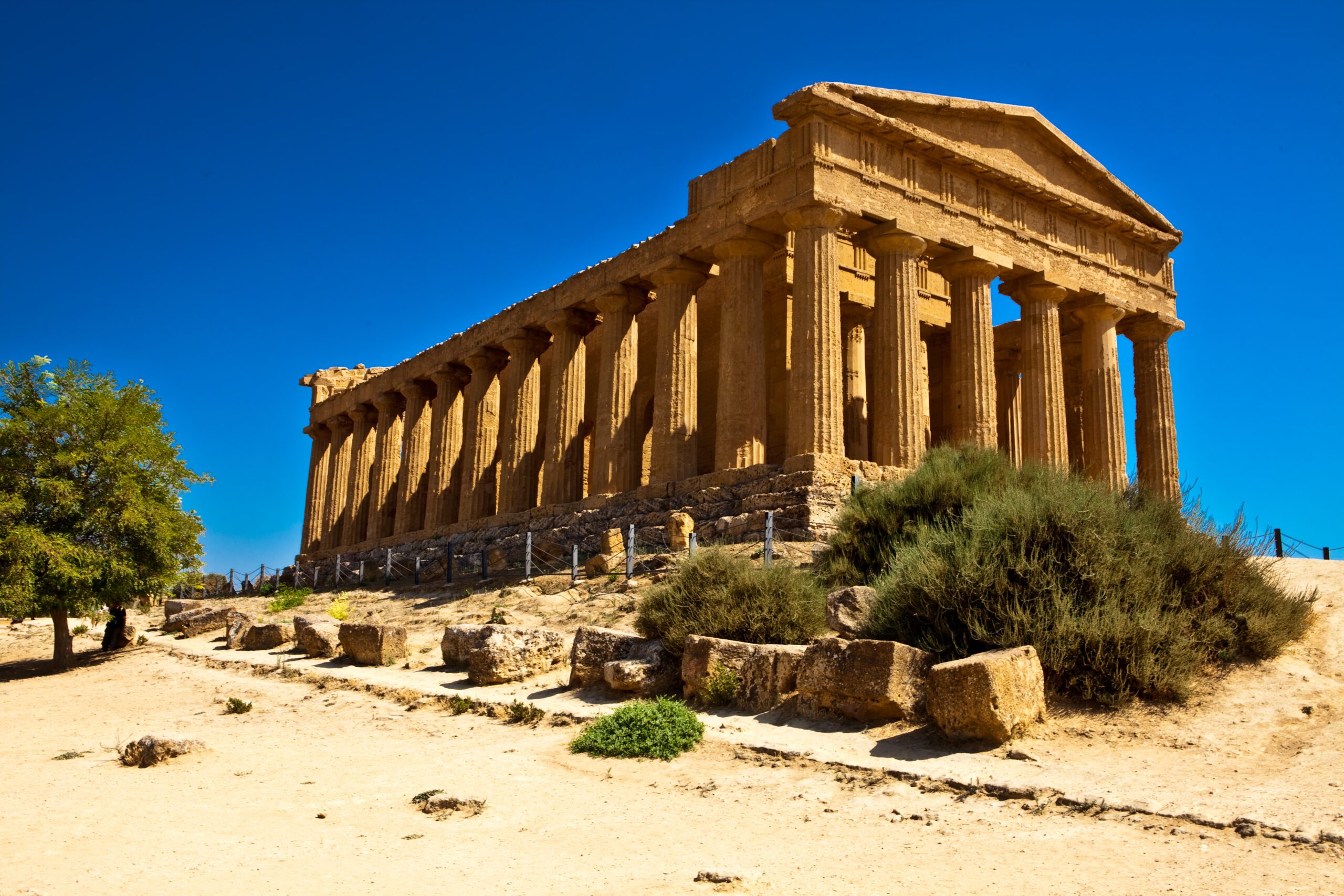
Eastern Sicily often draws first-time visitors, and for good reason. The Val di Noto combines elegant baroque towns with quiet rural roads, stone walls, citrus groves, and access to the coast. Towns like Noto, Modica, and Ragusa bring character at every stop, while the riding can be varied without feeling relentlessly difficult. This area is particularly good for travelers who want a strong cultural dimension alongside daily rides.
The southeast is also one of the best choices for food-focused cyclists. Farm-to-table cooking, local cheeses, chocolate in Modica, and fresh fish near the coast give every stage a sense of reward. It is a region where the bike naturally leads into the table.
Around Mount Etna, which is one of the most active volcanoes in the world, the tone shifts. Have a look at the 24/7 live webcam to see any possible eruptions. This is Sicily at its most dramatic. Riding on and around Europe’s highest active volcano is unforgettable, especially for experienced cyclists who enjoy climbing and changing landscapes. Vineyards rooted in black volcanic soil, lava-stone villages, and distant sea views create a setting unlike anywhere else in Italy. The trade-off is obvious: Etna is magnificent, but not gentle. It is better suited to riders comfortable with elevation gain or those using e-bikes.
Western Sicily has a different rhythm. The area around Trapani, Marsala, and the salt pans can offer more open horizons, coastal wind, and roads that connect history with sea views. This is a compelling part of the island for riders who enjoy a Mediterranean atmosphere with less vertical intensity than Etna, though wind exposure can make an easy-looking day harder than expected.
Inland Sicily is often overlooked, which is exactly why many experienced travelers love it. Here the riding feels more elemental – wheat fields, hill towns, old roads, fewer crowds, and a stronger sense of daily rural life. It is deeply authentic, but it requires thoughtful logistics. Distances between standout accommodations can be longer, and support matters more.
Road bike, e-bike, or gravel?
The right format changes the trip.
Road cycling is still the classic choice in Sicily. The island rewards riders who enjoy smooth scenic roads, steady climbs, and village-to-village progression. A road itinerary can be sporty or relaxed depending on the region, but in general you should expect some elevation and routes that are more interesting than purely flat.
E-bike trips are one of the smartest ways to experience Sicily well. They widen the island dramatically. Suddenly the hill town above the valley, the vineyard detour, and the panoramic inland route all become inviting rather than intimidating. For many travelers, especially couples with different fitness levels, e-bikes create the most enjoyable version of the island.
Gravel can be exceptional, but only in the right hands. Sicily has wonderful off-pavement potential, especially through agricultural landscapes and remote interior sections, yet not every track is suitable for a flowing leisure ride. A well-scouted gravel route is the difference between adventure and frustration. This is one of those destinations where local route knowledge is not a luxury – it shapes the whole experience.
When to go
Spring and fall are the sweet spots. From April through June, Sicily is green, fragrant, and lively without the full intensity of summer heat. Wildflowers appear inland, days are long enough for leisurely lunches, and the sea starts pulling you toward post-ride swims.
September through early November is equally attractive. The light is golden, the water is still warm, vineyards and farms are active, and the roads often feel calmer than in peak summer. For many cyclists, this is the most satisfying season because the riding and cultural atmosphere align so well.
Summer can work, especially if your plan focuses on coastal mornings and comfortable hotels, but heat becomes a real factor. Inland riding and major climbs need early starts and honest expectations. Winter is milder than much of Europe and can be pleasant in southern areas, though shorter days and occasional rain make it a more specialized choice.
What makes a Sicily bike trip feel easy
Sicily is rewarding, but it is not a destination where you want to guess your way through every detail. The difference between a good trip and a memorable one often comes down to road choice, pacing, and where you stay at the end of the day.
The best itineraries are built around local rhythm. That means avoiding traffic-prone connectors when a quieter parallel road exists. It means knowing which town is lovely for a coffee stop and which one is better for the night. It means understanding that a 35-mile day in Sicily can feel fuller than a 50-mile day elsewhere because the roads, views, food stops, and cultural pull ask you to slow down.
Accommodation matters too. After a ride through Sicily, the right hotel or agriturismo is not just a bed. It is part of the experience – a terrace overlooking the countryside, secure bike storage, a meal that reflects the region, and hosts who understand why cyclists need practical comfort without losing local character.
This is where specialist planning earns its place. Companies such as Mediterras, built by local cycling guides and route designers, understand that a Sicily trip should feel curated rather than packaged. That local knowledge shows up in the roads selected, the villages included, the restaurant recommendations, and the daily balance between riding ambition and Sicilian pleasure.
How to choose the right trip length
For most travelers, five to eight riding days is the sweet spot. That is enough time to settle into the island and experience a region properly without turning the holiday into a transfer-heavy checklist. If you have never cycled in Sicily before, a week in one part of the island is usually more rewarding than trying to connect east and west in a single rush.
Longer trips can be extraordinary, especially for riders who want a fuller island-crossing experience, but they need a clear purpose. Some travelers want a food-and-landscape journey through the southeast. Others want the challenge and prestige of riding near Etna. Others want a more relaxed coastal and cultural route. The best version depends less on what looks impressive on a map and more on how you want your days to feel.
Sicily rarely wins people over by being easy or polished. It wins with flavor, texture, warmth, and the kind of roads that lead somewhere real. If that sounds like your kind of cycling holiday, you do not need to conquer the island. You just need to let it unfold at bike speed.